
ACMA — Continental Corridor Management Architecture & Strategy
Architecting a pan-African corridor governance model: institutional design, strategy pillars, results framework, and an implementable 3-year roadmap.
Impact: Established the institutional and delivery architecture enabling CMIs to coordinate, learn, mobilise investment reforms, and measure corridor performance at continental scale.
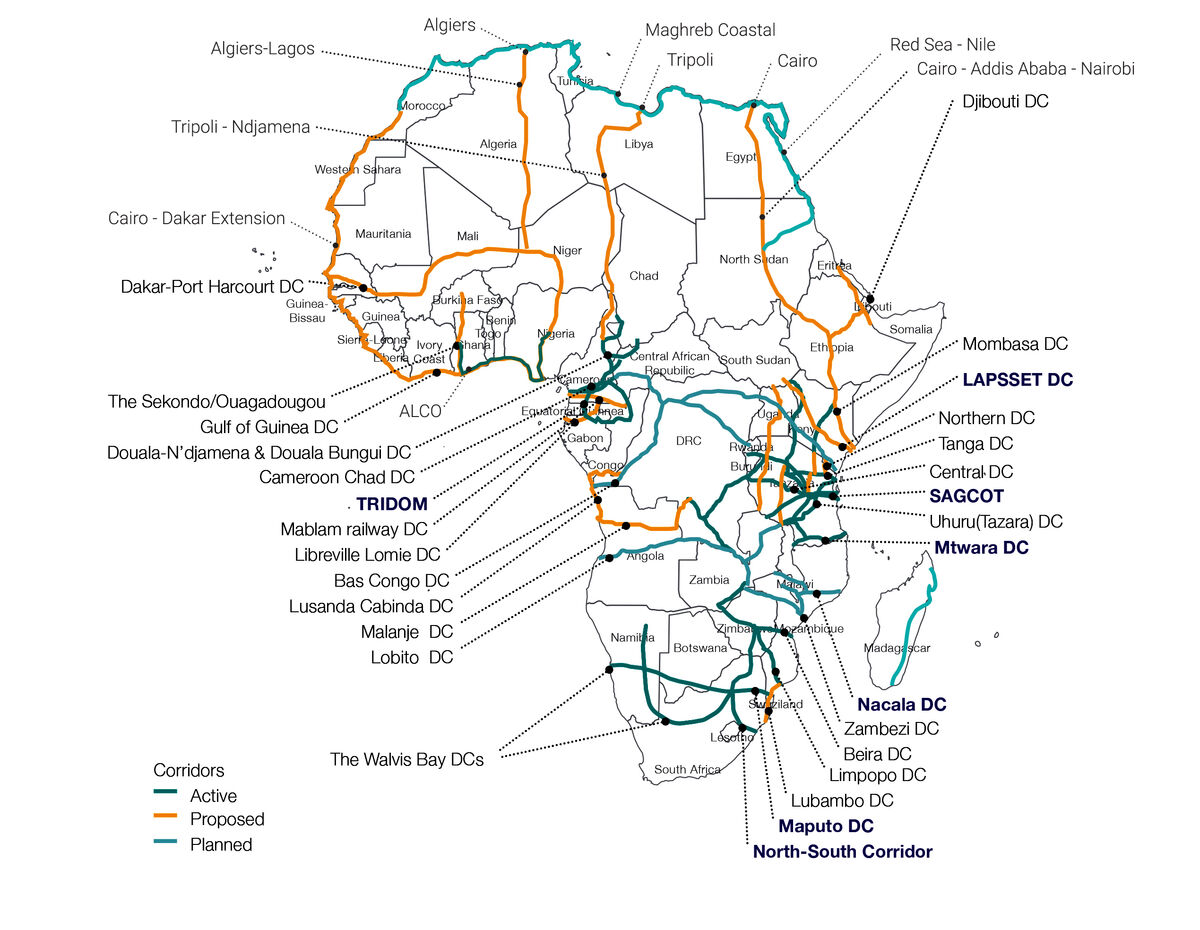
ACMA Strategy Document (2017) — developed with technical and financial support from UNECA.
What CreativeBox Architected
CreativeBox helped architect ACMA as an implementable continental platform — moving from concept to operating model. Across the 2016 architecture document and the 2017 strategy, we defined the governance blueprint, five-pillar delivery system, results measurement approach, and a fundable roadmap that partners could execute.
Continental operating model for corridor governance
Designed how ACMA functions: roles, governance, Secretariat structure, and how it supports Corridor Management Institutions (CMIs).
Five-pillar delivery system
Created a practical, end-to-end pillar architecture that covers institutions, learning/data, investment reforms, capacity, and stakeholder engagement.
Measurable results framework
Established indicators, reporting cadence and evaluation logic to demonstrate performance improvements and accountability to funders.
Fundable implementation roadmap (2017–2019)
Translated strategy into a staged 3-year delivery plan and budget aligned to outputs, enabling targeted partner funding and execution.
Institutionalisation pathway from concept to execution
Connected early architecture thinking (2016) to the operational strategy (2017), ensuring continuity from vision → design → delivery.
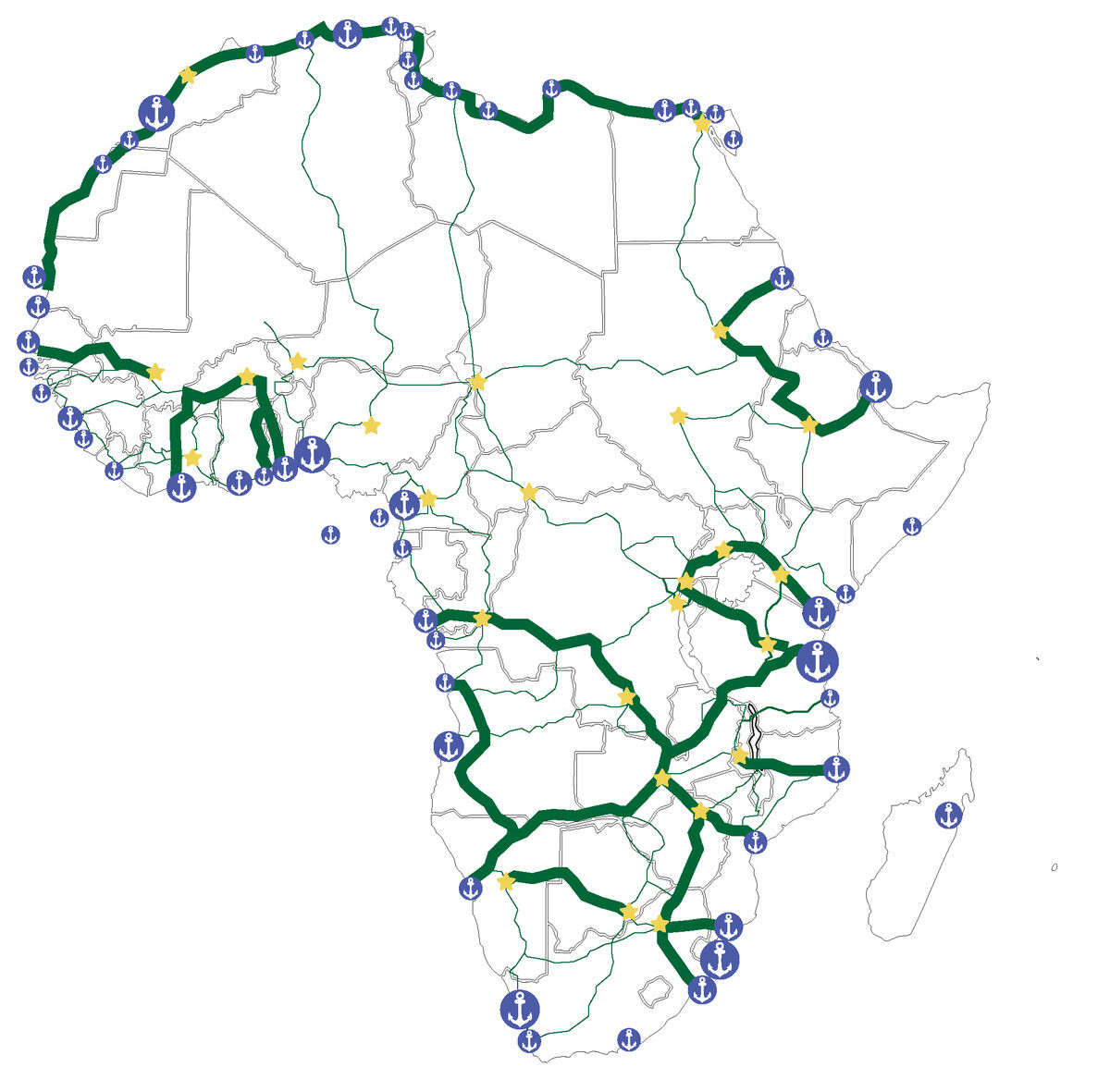

ACMA Strategy Framework
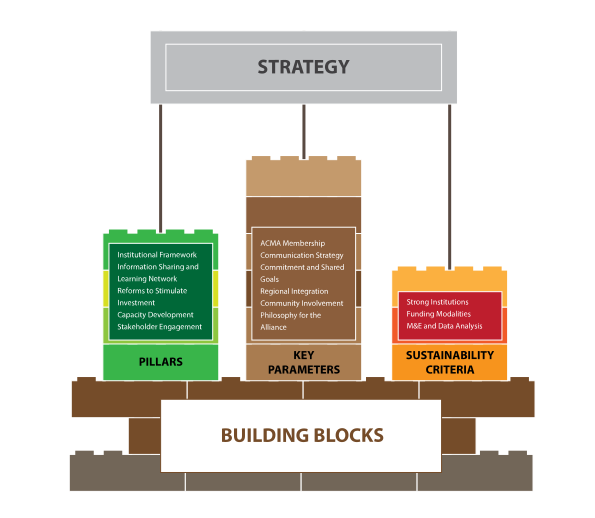
Strategic Workstreams
ACMA's five pillars were designed as an execution system — each pillar drives a set of capabilities that improve corridor performance, reduce trade friction, and strengthen institutional coordination for regional integration.
Institutional Framework for Corridor Development Management
Build a governance backbone that enables consistent corridor performance management across member institutions.
Information Sharing and Learning Network
Create shared data, learning and good-practice mechanisms so corridor improvements replicate quickly across regions.
Reforms to Stimulate Investment in Corridors
Enable reforms and investment coordination that reduce bottlenecks, raise efficiency, and unlock corridor value chains.
Capacity Development for ACMA and CMIs
Build the implementation capacity and skills that make corridor governance sustainable and effective.
Stakeholder Engagement and PPP for Regional Integration
Align stakeholders and mobilise partnerships so corridor benefits are inclusive, coordinated and financed.
Key Strategic Decisions
The strategy decisions focused on implementability: clarity of roles, measurable results, and fundable execution pathways.
Design ACMA as an execution platform, not a forum
A governance + delivery architecture ensures ACMA can coordinate action, not only convene discussions.
Impact: Stronger corridor performance management and practical support to CMIs.
Build a five-pillar system that covers the full corridor value chain
Corridor performance depends on institutions, data, reforms, capacity and stakeholder alignment working together.
Impact: A coherent system that enables prioritisation and sequencing across diverse corridors.
Embed measurement and independent evaluation
Neutral evaluation increases credibility and supports adaptive management.
Impact: Evidence-based decision-making and funder confidence.
Link resources directly to outputs (fundable roadmap)
Partners fund what they can see and track; output-linked budgets enable structured commitments.
Impact: Improved resource mobilisation and accountability for delivery.
Adopt a lean Secretariat and phased institutionalisation
A phased approach reduces startup friction while enabling immediate coordination.
Impact: Faster operationalisation and clearer accountability early on.
Building Continental Impact
ACMA was conceived to strengthen how Africa manages its economic corridors — improving coordination between corridor institutions, reducing trade and transport friction, and accelerating regional integration outcomes.
CreativeBox's contribution went beyond documentation: we architected an implementable model — governance, pillars, and measurement — and translated it into a fundable 2017–2019 roadmap so stakeholders could execute and track progress.
By linking institutional design to a results framework and budget, the strategy created a practical foundation for partner mobilisation and continuous performance improvement across corridor management institutions.
Scale of corridor governance architecture
Comprehensive delivery system
Fundable implementation roadmap
Technical & financial support partner
Need Strategy That Funders Can Back?
CreativeBox helps governments, development partners, and consortia translate complex mandates into implementable strategy, governance models, and delivery plans — with clear results frameworks and budgets.